
Do zero-calorie sweeteners like stevia and sucralose actually help with weight loss? We break down the science and the latest WHO advice in simple terms to help you make an informed choice.

Sweeteners like sucralose, aspartame, and stevia promise the taste of sugar without the calories. They seem like a perfect tool for managing weight, but is it that simple? Let's look at what the research and global health experts say.
In 2023, the World Health Organization (WHO) released new guidance on non-sugar sweeteners. They advised against using them for long-term weight control. This was based on a large review of available studies, which found that over the long run, there was no clear benefit for weight loss. The review also noted potential links to an increased risk of type 2 diabetes and cardiovascular issues in long-term observational studies.
It's important to know this was a 'conditional' recommendation. That means the evidence isn't yet certain, and sweeteners might still be useful for some people in specific situations, like those managing diabetes.
So, why do some studies show a benefit? It often comes down to the study design. In randomized controlled trials, where scientists compare groups directly, sweeteners often show a small benefit for weight loss, but only when they directly replace sugar-sweetened foods and drinks. If swapping a sugary soda for a diet one helps you lower your total daily calorie intake, it can be a helpful step. However, if you compensate for those saved calories elsewhere, the benefit disappears.
Nutrition science can be confusing. Here’s how you can apply this information to your own life:
As an Amazon Associate we earn from qualifying purchases.
Gear that pairs well with what you just read.
As an Amazon Associate we earn from qualifying purchases.
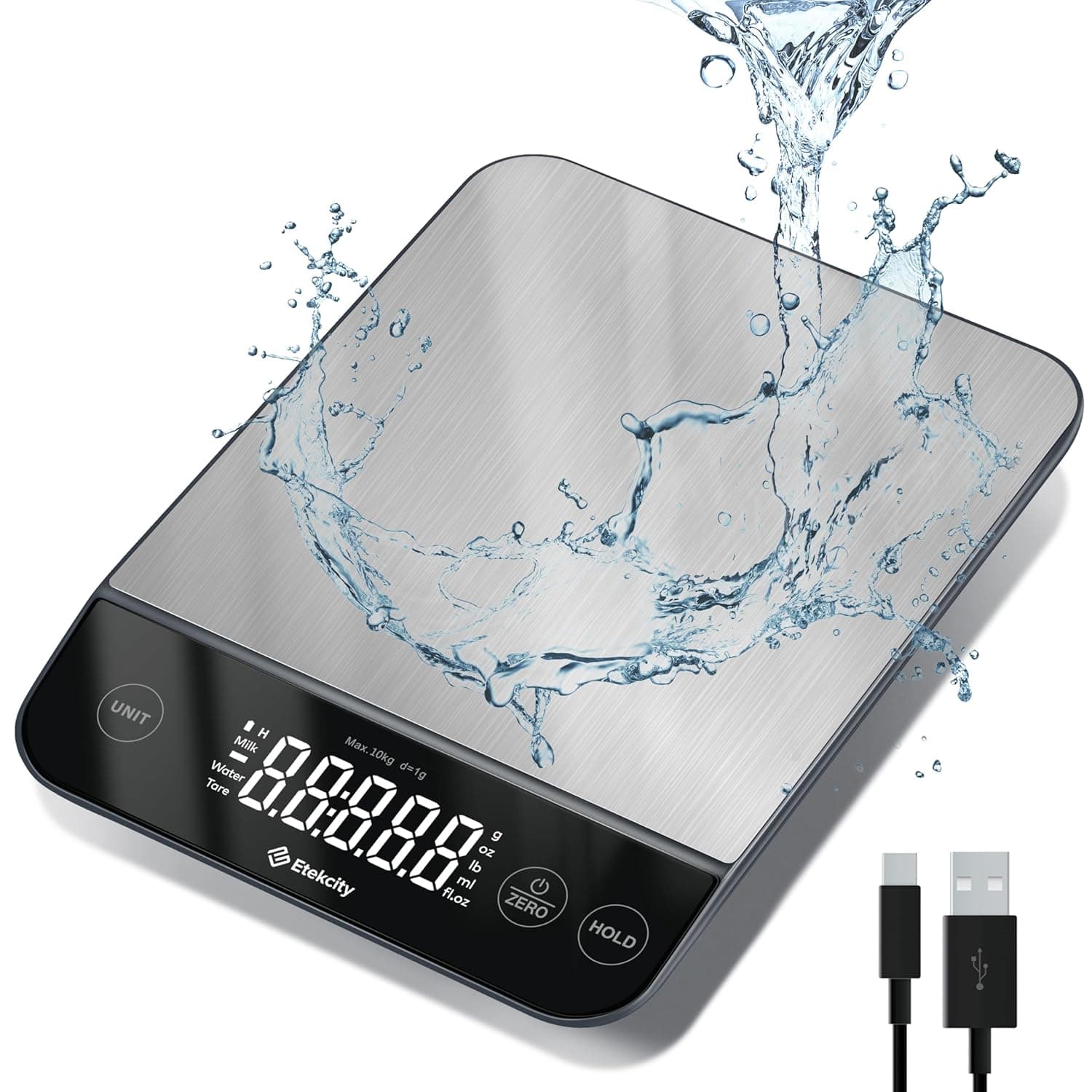
Accurate to 1g for perfect portions
Precise and built for daily macro tracking. Waterproof stainless steel, USB-rechargeable, and accurate to 1 gram.

Zero-clump mixing, no ball needed
Mixes perfectly without a ball or whisk. USA-made, durable, and designed for protein shakes on the go.

Leakproof meal prep containers
Crystal-clear, BPA-free containers with leakproof, airtight lids. Perfect for portioning macro-friendly meals.
Take your fitness journey further with our comprehensive collection of calculators, trackers, and educational content.