
Unsure about protein isolate vs concentrate? This complete guide covers different protein types, the best timing strategies, and how to choose the right powder for weight loss or muscle gain.

Ever stood in the supplement aisle staring at tubs of protein powder, wondering what 'isolate' or 'concentrate' actually means? You're not alone. The world of protein supplements can be confusing, but understanding the key differences can help you choose the best option for your body and your budget. This protein powder complete guide goes beyond the basics of whey vs. casein vs. vegan protein to break down everything you need to know, from protein isolate vs concentrate to optimal timing strategies.
The names 'concentrate,' 'isolate,' and 'hydrolysate' refer to the level of processing a protein has undergone. This processing affects the final protein content, digestion speed, and, importantly, the cost.
Protein concentrate is the least processed form. After the protein (like whey from milk) is extracted, it's dried to create a powder. Whey protein concentrate typically contains about 80% protein by weight, with the remaining 20% made up of fats and carbohydrates, including lactose. It's the most cost-effective option and a great all-around choice if you tolerate dairy well and aren't on a highly restrictive diet.
To create a protein isolate, the concentrate goes through an additional filtration process. This step removes most of the fats and lactose, resulting in a purer product that is 90% or more protein by weight. This makes isolate a fantastic option for people with lactose sensitivity or those looking to minimize their carb and fat intake. As research from the Journal of Sports Science & Medicine highlights, this additional processing also means isolates are typically absorbed more quickly and cost more than concentrates.
Hydrolyzed protein, or hydrolysate, is considered 'pre-digested.' It's broken down into smaller amino acid chains, called peptides, through a process of hydrolysis. This results in the fastest possible absorption rate. While this might offer a minor advantage for elite athletes, for most people, the difference in recovery compared to an isolate is negligible. It's also the most expensive form and can have a more bitter taste.
For years, the fitness world obsessed over the 'anabolic window,' a supposed 30-minute period post-workout for optimal protein absorption. However, more recent meta-analyses published in the Journal of the International Society of Sports Nutrition suggest that total daily protein intake is far more important than precise timing. That said, strategic timing can still be convenient and beneficial.
Protein powder should supplement a healthy diet, not replace it. The right amount depends on your total daily protein needs, which are based on your weight, activity level, and goals. For most active individuals, consuming 1-2 scoops (providing 25-50 grams of protein) from a powder per day is a reasonable limit. The rest of your intake should come from whole food sources like meat, fish, eggs, dairy, and legumes.
To figure out your total daily protein target, you can use a tool like our protein intake calculator. According to the International Society of Sports Nutrition, active individuals should aim for 1.4-2.0 grams of protein per kilogram of body weight to support muscle growth and recovery. Consuming more than this won't lead to extra muscle; it will simply be used for energy.
Whether your goal is weight loss or muscle gain, your overall calorie balance is the most critical factor. Protein powder can support both goals, but the type you choose might make a small difference.
To help you make a quick decision, here's how some of the most popular protein powders stack up. For a deeper look, don't forget to check our main protein comparison guide.
Choosing the right protein powder comes down to your individual needs and preferences. There is no single 'best' option for everyone. Consider your dietary restrictions, budget, and primary fitness goal to make an informed decision that supports your health journey.
As an Amazon Associate we earn from qualifying purchases.
Gear that pairs well with what you just read.
As an Amazon Associate we earn from qualifying purchases.

Zero-clump mixing, no ball needed
A shaker that mixes perfectly without a ball or whisk. USA-made, durable, and designed to blend protein shakes, smoothies, or pre-workout on the go with zero clumps.
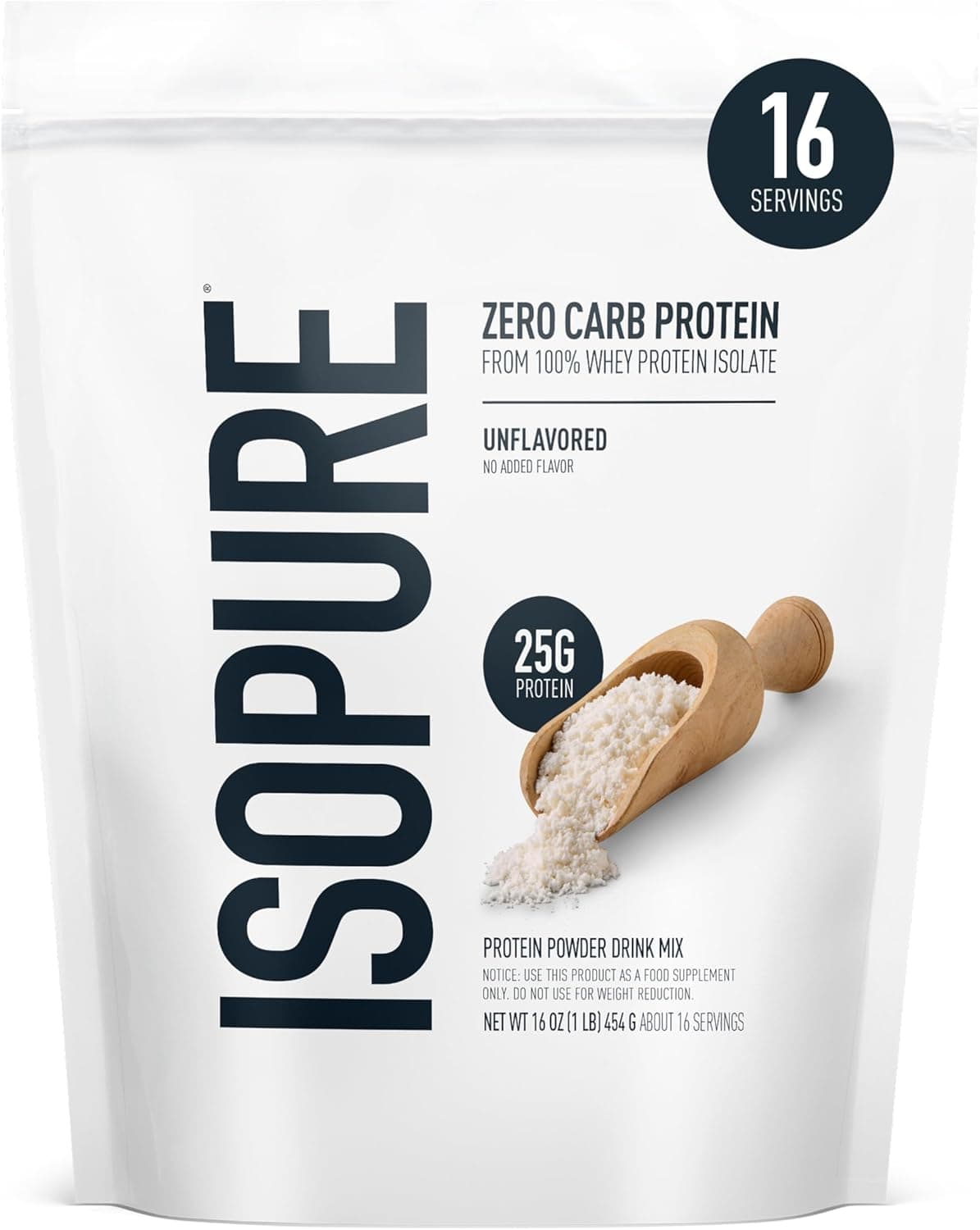
25g pure protein, zero carbs
Ultra-lean, zero-carb whey isolate with 25g of lactose-free, gluten-free protein per scoop. Perfect for boosting daily protein intake without added sugars, flavors, or fillers.

Light, juice-style protein drink
A crisp, juice-style whey isolate with 20g of lactose-free, gluten-free protein per serving. Perfect when you want a lighter, refreshing way to hit your daily protein goals.
Take your fitness journey further with our comprehensive collection of calculators, trackers, and educational content.