
Practical ways to hit your daily protein goals with easy meal ideas, vegetarian options, smart snacks, and simple tracking tips for beginners.

Hitting your protein goal doesn’t have to be complicated. With a bit of planning and a few go-to foods, you can meet your target and support your energy, recovery, and fullness throughout the day. If you have a medical condition (especially kidney disease), talk with a healthcare professional for personalized guidance.
A protein goal is simply the amount of protein you plan to eat in a day. Some people use a daily number (for example, 80–120 grams) while others aim for a per-meal target (for example, a solid portion of protein at breakfast, lunch, dinner, plus a protein-focused snack). Government nutrition guidance provides general minimums that vary by age and sex, and individual needs can differ based on health status and activity. For a precise target, a registered dietitian can help.
- Daily approach: Pick a realistic daily number that fits your plan and health needs. Then divide it across meals and snacks.
- Per-meal approach: Aim to include a meaningful source of protein every time you eat. Many people find it easier to think “protein at each meal” instead of chasing a single big number at night.
If you chose 90 grams per day, you might plan 25 grams at breakfast, 25 grams at lunch, 25 grams at dinner, and 15 grams from a snack. These are rough estimates; check labels and adjust to your preferences and guidance from a professional if needed.
- Greek yogurt bowl with fruit and nuts or seeds
- Eggs or tofu scramble with veggies; serve with whole-grain toast
- Cottage cheese with berries and cinnamon; or overnight oats made with milk or soy milk and a scoop of protein powder (optional)
- Turkey, chicken, tuna, or tofu sandwich/wrap; add a side of edamame, bean salad, or yogurt for extra protein
- Grain bowl: base of rice or quinoa + grilled chicken, tofu, or beans + veggies + a sauce
- Stir-fry with tofu/tempeh or chicken/shrimp + vegetables + noodles or rice
- Salmon or bean chili with a whole-grain side and a yogurt-based sauce or topping if you like
- Eggs, Greek yogurt, cottage cheese, milk or ultrafiltered milk, cheese sticks/mini cheeses
- Chicken or turkey breast, lean beef, pork tenderloin, fish, and seafood (canned tuna or salmon are very convenient)
- Tofu, tempeh, edamame, soy milk, seitan, lentils, chickpeas, black beans, kidney beans, split peas
- Higher-protein grains and products: quinoa, buckwheat, protein pasta, whole-grain wraps, and breads with added seeds
- Nuts, seeds, and nut/seed butters (helpful add-ons, though they’re more calorie-dense and not as protein-dense as soy, beans, or lean meats)
- Greek yogurt or skyr with fruit; cottage cheese with pineapple or tomatoes; string cheese with an apple
- Edamame, roasted chickpeas, hummus with whole-grain crackers, a tuna pouch with veggies/crackers, hard-boiled eggs
- Smoothie: milk or soy milk + fruit + spinach + optional protein powder or Greek yogurt
- Lean on soy foods (tofu, tempeh, edamame, soy milk) and seitan for concentrated protein. Use beans and lentils generously in soups, stews, tacos, bowls, and salads. Protein pasta, higher-protein breads, and fortified plant yogurts can help round things out. If you use supplements, choose a third-party tested protein powder when possible.
- Batch-cook protein once, eat it all week: roast chicken breasts or tofu slabs, simmer a pot of lentils, or bake salmon for two dinners. Portion and refrigerate or freeze for later.
- Keep quick wins on hand: canned tuna/salmon/beans, precooked lentils, boiled eggs, Greek yogurt, cottage cheese, cheese sticks, edamame (frozen), and shelf-stable milk or soy milk.
- Flavor matters: sauces, spice rubs, marinades, and salsas make protein foods more appealing, which makes consistency easier.
- Scan the menu for a clear protein anchor (eggs, grilled chicken or fish, tofu, beans). Ask for extra protein or add a side of beans, yogurt, or edamame if available. For on-the-go, consider tuna pouches, roasted chickpeas, jerky (if it fits your plan), or ready-to-drink shakes as occasional backups.
- Read labels: packaged foods list protein per serving. For fresh foods, a reputable nutrition database or app can help. Pre-log meals when you can and adjust during the day rather than scrambling at night. A small kitchen scale can improve accuracy, but consistency beats perfection.
- Breakfast: Greek yogurt bowl + berries + nuts (roughly a “25 g” type meal, depending on brand/portion).
- Lunch: Turkey or tofu wrap + edamame on the side (often in the “25–30 g” ballpark).
- Snack: Cottage cheese with fruit or a tuna pouch with crackers (about “15–20 g,” depending on portions).
- Dinner: Stir-fry with tofu or chicken + veggies + rice (often “25–30 g,” depending on serving sizes).
Start small: a yogurt, a latte made with milk or soy milk, a boiled egg, or a smoothie you can sip slowly. Build up as your routine settles in.
Increase your intake of soy foods (such as tofu, tempeh, and edamame), add seitan, use protein-rich pasta, and consider a third-party tested protein powder if you need a convenient boost.
Rely on eggs, dried beans and lentils, canned fish, bulk yogurt, and family packs of chicken you can portion and freeze. Frozen edamame and veggies are affordable staples.
Keep backups in your bag or desk: tuna pouches, roasted chickpeas, jerky (if it fits your plan), shelf-stable milks, or a ready-to-drink shake for occasional use.
- Aim for a balanced diet that fits your calorie needs. Stay hydrated, especially as you increase your protein intake. If you have kidney disease, are pregnant, or have other health conditions, get individualized advice before making big changes. Whole foods can cover most needs; supplements are optional and not required for most people. For the most current nutrition recommendations, check your country’s official dietary guidelines or speak with a registered dietitian.
As an Amazon Associate we earn from qualifying purchases.
Gear that pairs well with what you just read.
As an Amazon Associate we earn from qualifying purchases.

Zero-clump mixing, no ball needed
A shaker that mixes perfectly without a ball or whisk. USA-made, durable, and designed to blend protein shakes, smoothies, or pre-workout on the go with zero clumps.
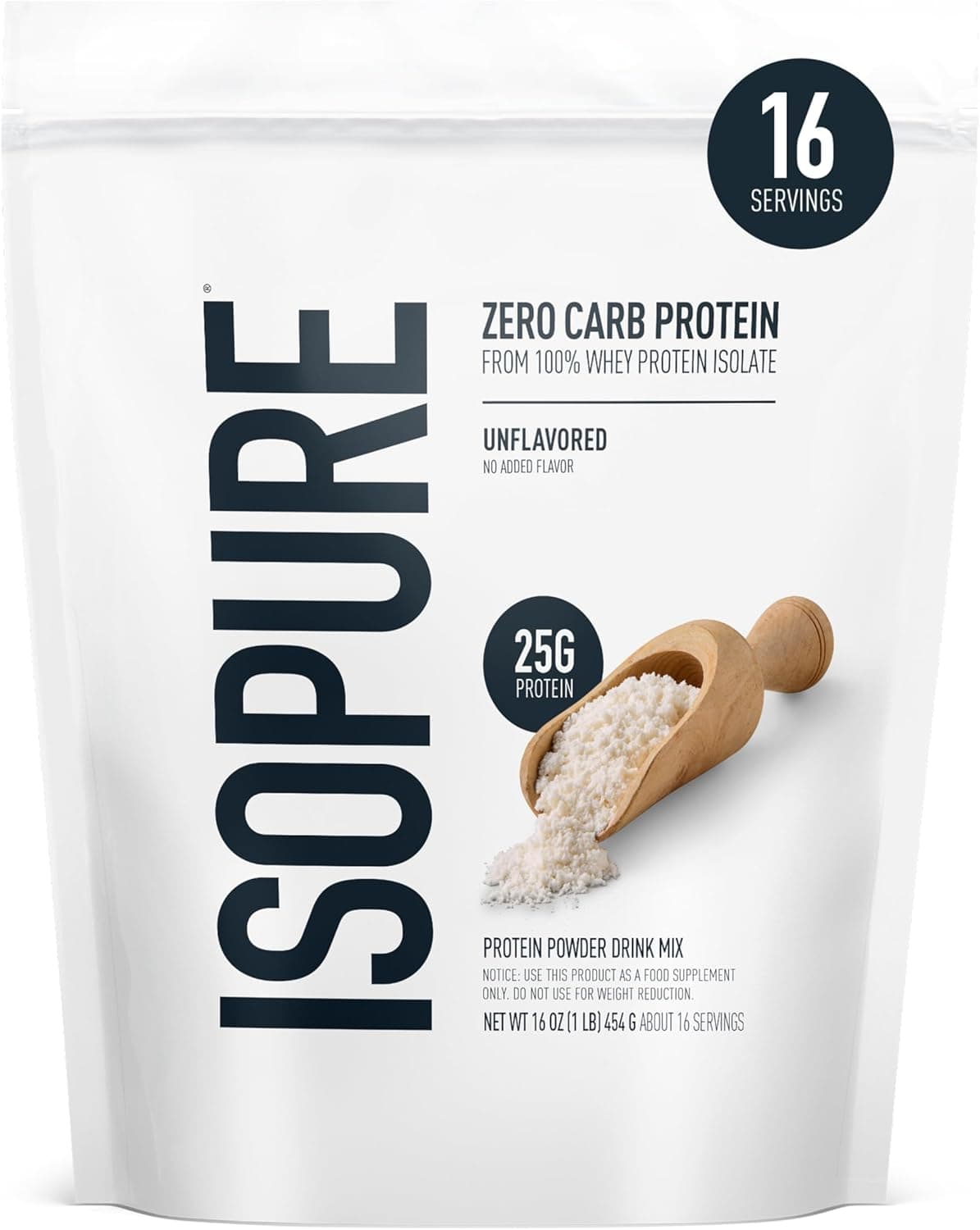
25g pure protein, zero carbs
Ultra-lean, zero-carb whey isolate with 25g of lactose-free, gluten-free protein per scoop. Perfect for boosting daily protein intake without added sugars, flavors, or fillers.

Light, juice-style protein drink
A crisp, juice-style whey isolate with 20g of lactose-free, gluten-free protein per serving. Perfect when you want a lighter, refreshing way to hit your daily protein goals.
Take your fitness journey further with our comprehensive collection of calculators, trackers, and educational content.