
The Acceptable Macronutrient Distribution Ranges (AMDRs) provide guidelines for balanced intake, but what about diets like keto or high-carb vegan? We explore the health effects of eating outside these ranges and how to find the right macro split for you.

If you've spent any time in the nutrition world, you've likely heard of the Acceptable Macronutrient Distribution Ranges, or AMDRs. These are guidelines established by the National Academies of Sciences, Engineering, and Medicine to suggest how much of your total daily calories should come from carbohydrates, proteins, and fats. The goal is to get enough essential nutrients while reducing the risk of chronic disease.
For most adults, the ranges are:
The idea is that staying within these ranges gives you the best chance of meeting your nutritional needs. According to the Institute of Medicine, consuming macronutrients outside of these ranges may increase the risk of either nutrient insufficiencies or chronic diseases (National Academies Press, 2023). But what about popular diets that intentionally ignore these guidelines?
Many well-known eating patterns fall far outside the standard AMDRs. They often restrict one macronutrient to very low levels while significantly increasing another.
Proponents of these diets often claim benefits ranging from weight loss and improved metabolic health to reduced inflammation. But what does the research say about their long-term effects?
Diets like keto and carnivore are popular, but the science is still catching up. The 2020-2025 Dietary Guidelines Advisory Committee concluded there wasn't enough evidence to determine how diets outside the AMDRs affect most long-term health outcomes. However, a growing body of research is questioning the strict necessity of the current 45-65% carb range, noting the brain can adapt to use ketones for energy ().
As an Amazon Associate we earn from qualifying purchases.
Gear that pairs well with what you just read.
As an Amazon Associate we earn from qualifying purchases.
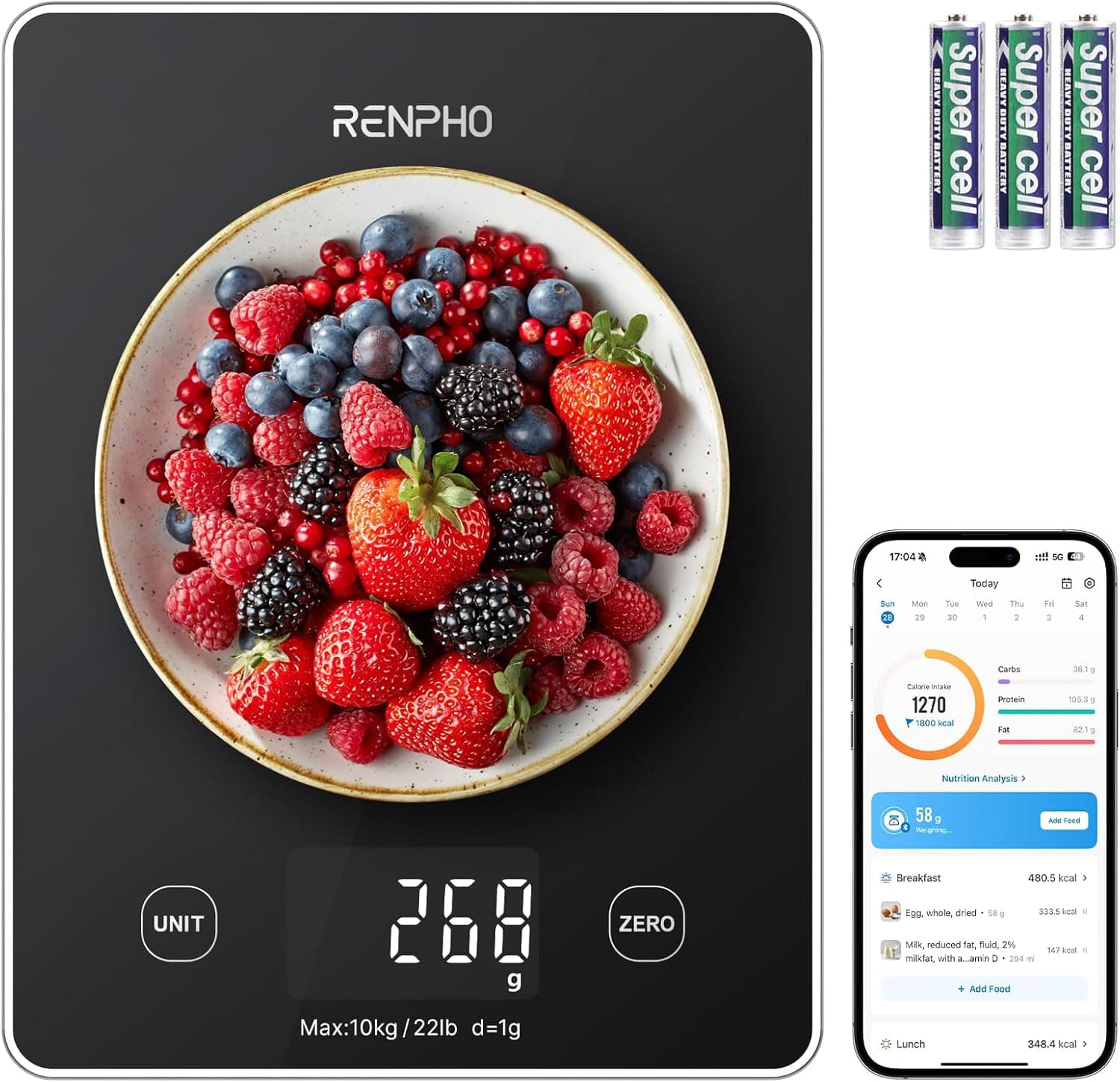
Built-in nutrition and macro tracking
A sleek black-glass scale with built-in nutrition calculations for fast, accurate macro and calorie tracking. Syncs with the RENPHO app, measures up to 22 lb, and perfect for weight-loss or keto meal prep.
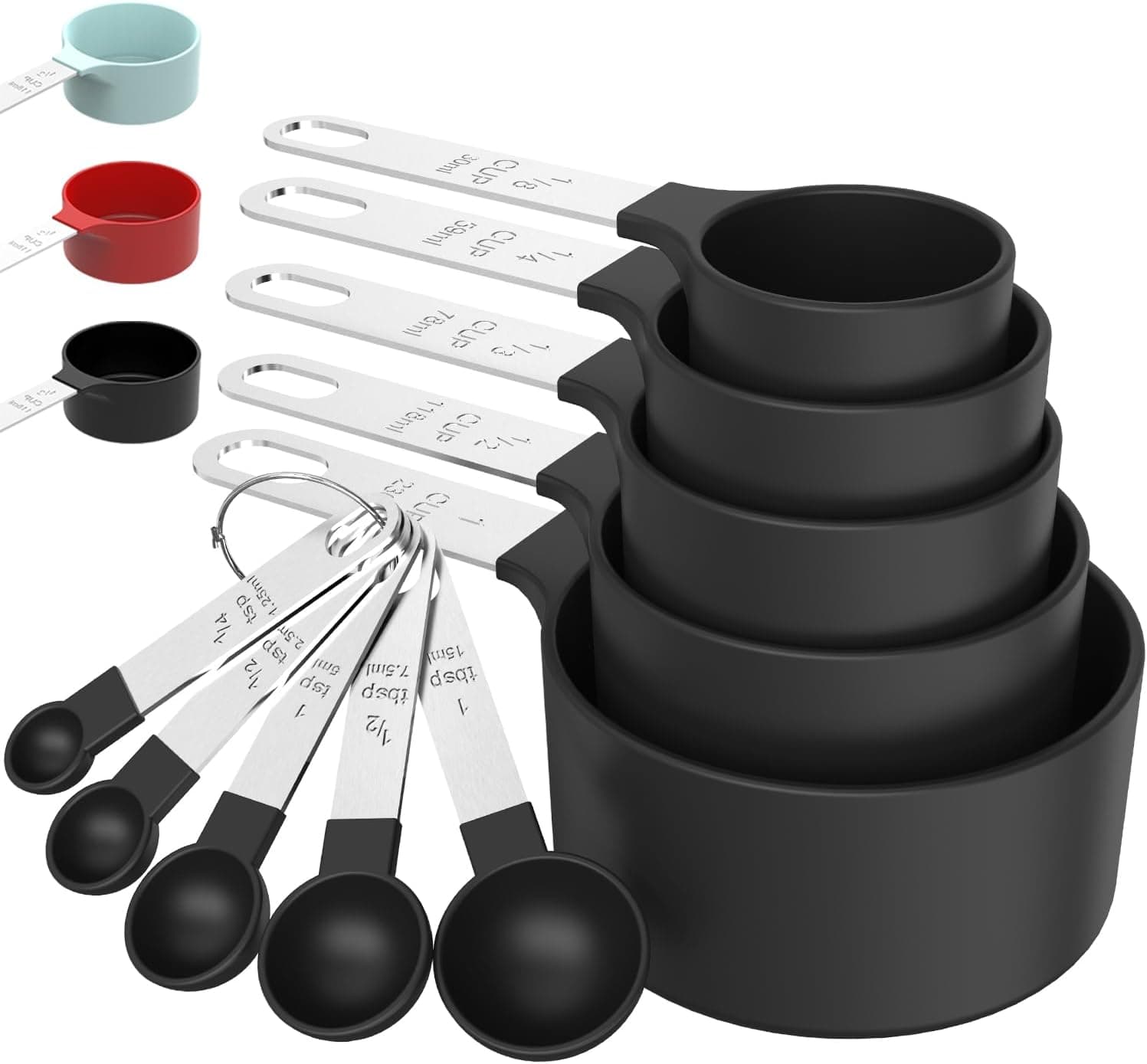
Precise portions every time
A stackable, easy-to-store set with stainless steel handles for durability and precise measuring. Perfect for consistent portion sizes when tracking calories, cooking, or baking.

Leakproof meal prep containers
Crystal-clear, BPA-free containers with leakproof, airtight lids to keep meals fresh and organized. Perfect for portioning, storing, and taking your macro-friendly meals on the go.
Take your fitness journey further with our comprehensive collection of calculators, trackers, and educational content.
The main concerns with highly restrictive, low-carb diets often revolve around what's being left out. The carnivore diet, for example, eliminates all plant foods, which are primary sources of fiber, phytonutrients, and certain vitamins (Baylor Scott & White Health). While some studies show a carnivore diet can meet several key nutrient thresholds, the lack of plant-derived fiber and compounds is a significant consideration for long-term gut and overall health.
On the other side of the spectrum, high-carb, low-fat diets, particularly those based on whole plant foods, are often praised for their health benefits. Research reviews have highlighted the importance of fiber, which is only found in plants, for reducing cancer risk and promoting long-term health (Memorial Sloan Kettering Cancer Center, 2022).
Potential downsides can arise if the diet is not well-planned. A high-carb diet full of processed grains and sugars is very different from one based on fruits, vegetables, and legumes. A poorly constructed HCLF diet could be insufficient in essential fatty acids, fat-soluble vitamins, and certain micronutrients like Vitamin B12.
Perhaps the biggest factor is sustainability. Highly restrictive diets can be very difficult to follow long-term. One registered dietitian notes, "The best diet is the one you can sustain the longest." Making small, gradual improvements to your eating habits is often more manageable and beneficial than a drastic overhaul.
AMDRs are a helpful starting point, not a set of absolute rules. The optimal macronutrient split is highly individual. To figure out what works for your body, pay attention to these key biofeedback markers:
Tracking these signs can give you valuable insight into whether your current way of eating is supporting your health and goals. If things feel off, it might be time to adjust your approach, perhaps by slowly reintroducing a macronutrient you've restricted or shifting your percentages.