
Cooling cooked rice converts digestible starch into resistant starch, cutting usable calories by up to 10–15%. Here's exactly how many calories you save and the best cooling method.

You may have seen a viral nutrition tip making the rounds: eating leftover, chilled rice is better for you than eating it fresh and hot. It sounds a bit strange, but there is some solid science behind this idea. The secret lies in a fascinating type of carbohydrate called resistant starch. Let's break down how this simple kitchen habit works and what it means for your health goals.
First, let's look at how typical starches work. When you eat starchy foods like rice, potatoes, or pasta, your digestive system breaks them down into glucose (sugar), which is absorbed into your bloodstream for energy. This is why these foods cause a rise in blood sugar.
Resistant starch, however, is different. As its name suggests, it “resists” digestion in your stomach and small intestine. Instead, it travels to your large intestine, where it functions more like a dietary fiber (according to researchers at Ohio State University). Because your body can't break it down and absorb it as glucose, you get fewer calories from it, and it leads to a smaller peak in blood sugar after you eat.
The process that creates resistant starch is called retrogradation. When you cook rice, the heat causes its starch molecules to open up and become easy to digest. As the rice cools, these molecules rearrange themselves into a new, tighter structure. This new formation is more difficult for your body’s enzymes to break down.
One study found that cooking white rice and then refrigerating it for 24 hours more than doubled its resistant starch content compared to freshly cooked rice (a 2015 study cited by Healthline). This process doesn’t just apply to rice; it also works for other starchy foods like potatoes and pasta.
This is a common and important question. Fortunately, the answer is no. The reformed resistant starch is surprisingly heat-stable. Reheating your cooled rice won't destroy the new structure, so you still get the benefits. In fact, research published in the *Asia Pacific Journal of Clinical Nutrition* specifically tested rice that was cooled at 4°C (39°F) for 24 hours and then reheated, finding it still produced a lower blood sugar response than freshly made rice ().
As an Amazon Associate we earn from qualifying purchases.
Gear that pairs well with what you just read.
As an Amazon Associate we earn from qualifying purchases.
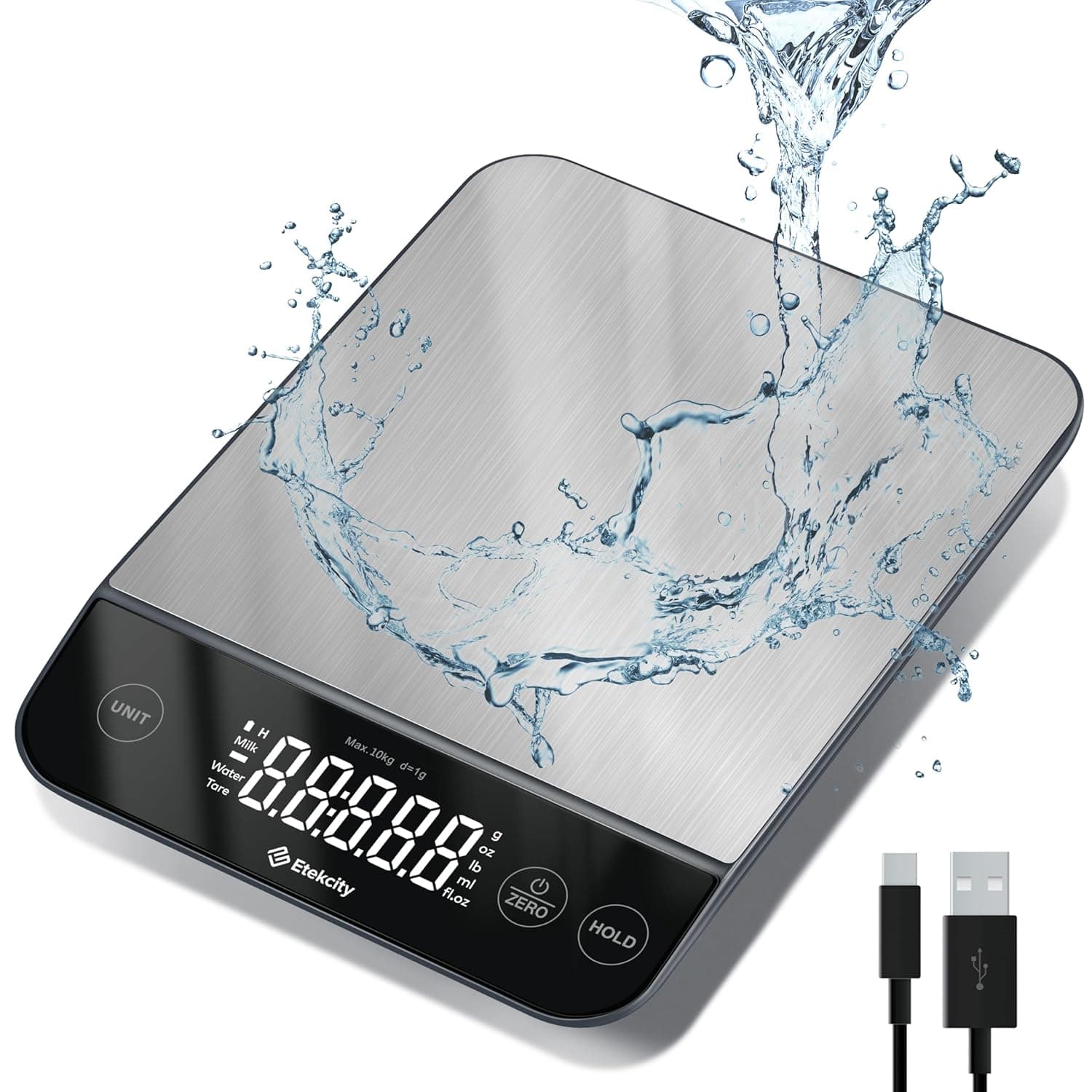
Accurate to 1g for perfect portions
Precise and built for daily macro tracking. Waterproof stainless steel, USB-rechargeable, and accurate to 1 gram for perfectly measured meals every time.

Travel-friendly 0.1g precision
Precision 0.1g accuracy in a compact, travel-friendly design. Perfect for tracking macros, portioning meals, or timing recipes—USB-C rechargeable and built for everyday use.
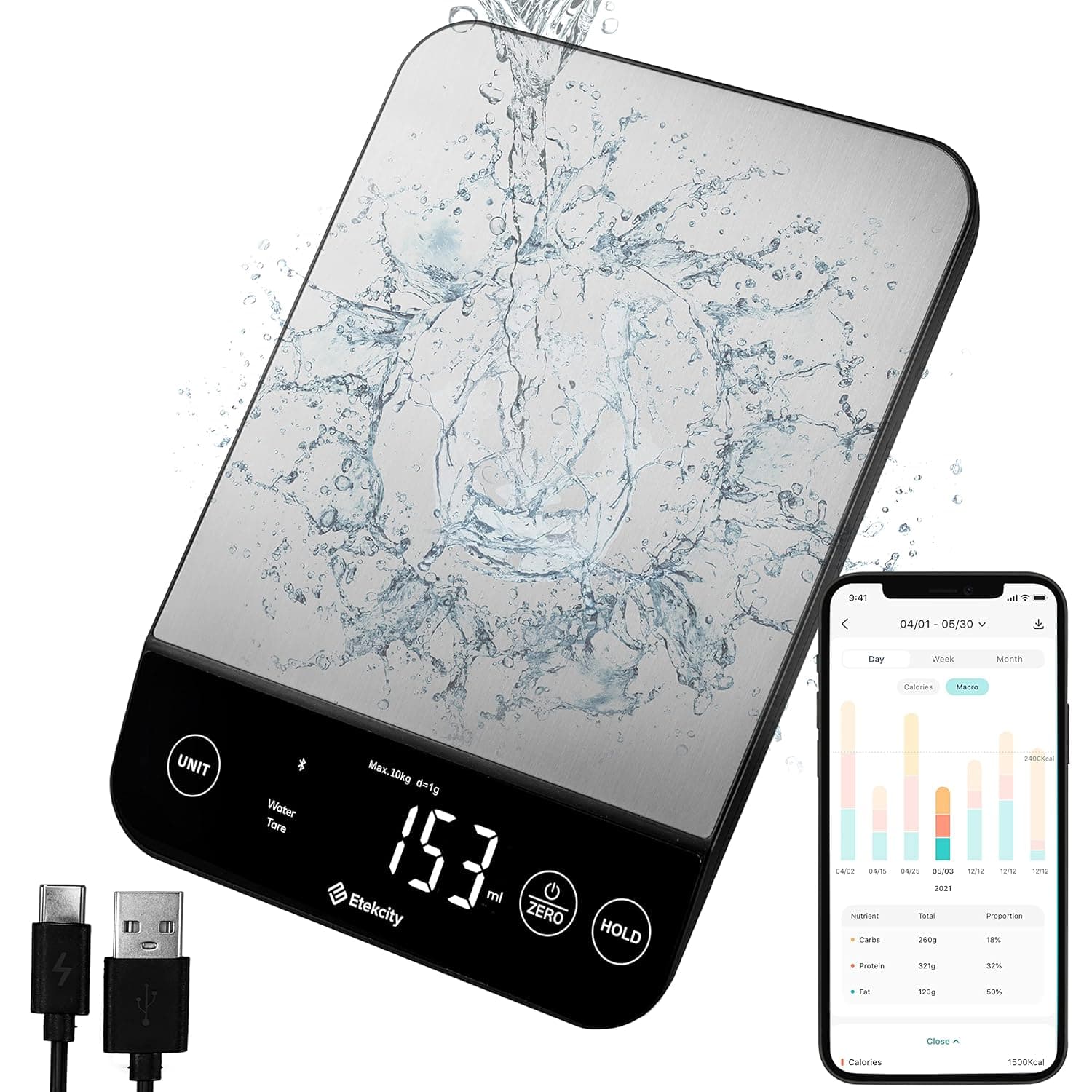
Smart tracking via Bluetooth app
Everything you love about our 'pick,' but smarter and app-connected: waterproof stainless steel, calorie and macro tracking via Bluetooth, USB-rechargeable, and accurate up to 22 lb.
Take your fitness journey further with our comprehensive collection of calculators, trackers, and educational content.
This is where it gets tricky. While the effect is real, pinpointing the exact calorie reduction is difficult without laboratory testing. The amount of resistant starch formed can vary based on the type of rice, cooling time, and temperature.
However, we can get a general idea. One study published in *Nature* estimated that for every 100 grams of chilled rice, the digestible carbohydrate content is reduced by about 5 grams (Jagannathan, V.M. et al., 2022). Since carbohydrates have 4 calories per gram, this suggests a modest reduction of around 20 calories. It's not a massive drop, but it's a simple change that can contribute to your overall goals.