
Rice, oats, sweet potatoes — the best carbohydrates for strength training, when to eat them, and how much to eat for maximum performance and recovery.

When you lift weights, your body needs energy, and its preferred source for high-intensity activity is carbohydrates. Your body breaks down carbs into glucose and stores it in your muscles and liver as glycogen. During a tough training session, your muscles tap into these glycogen stores for fuel. Research highlights that while resistance training is metabolically different from endurance exercise, carbohydrates still play a crucial role in performance (Henselmans et al., 2022). Having adequate glycogen stores helps you push harder, complete more reps, and ultimately get better results from your training.
The amount of carbohydrates you need depends on your body weight, training intensity, and overall goals. Scientific reviews suggest a wide range for strength athletes, often falling between 4 to 7 grams of carbohydrates per kilogram of bodyweight per day (g/kg/day) (Henselmans et al., 2022). For someone weighing 80 kg (about 176 lbs), this would be 320 to 560 grams of carbs daily. This is just a starting point, and your personal needs may be higher or lower depending on the volume and intensity of your training.
While total carb intake is important, the source matters too. Focusing on nutrient-dense options provides sustained energy along with valuable vitamins and minerals.
These carbs digest more slowly, providing a steady release of energy. They are excellent choices for meals throughout the day to keep your glycogen stores topped up.
These carbs digest more quickly, making them ideal for fueling up right before a workout or for replenishing glycogen stores immediately after. Their faster absorption can provide a quick energy boost when you need it.
When you eat your carbs can influence your energy levels during a workout. According to guidance from healthcare professionals, timing can be broken down simply.
After your workout, the goal is to replenish the glycogen you just used. Consuming carbohydrates along with protein within a few hours of finishing your session can help kickstart the recovery and muscle-building process.
As an Amazon Associate we earn from qualifying purchases.
Gear that pairs well with what you just read.
As an Amazon Associate we earn from qualifying purchases.
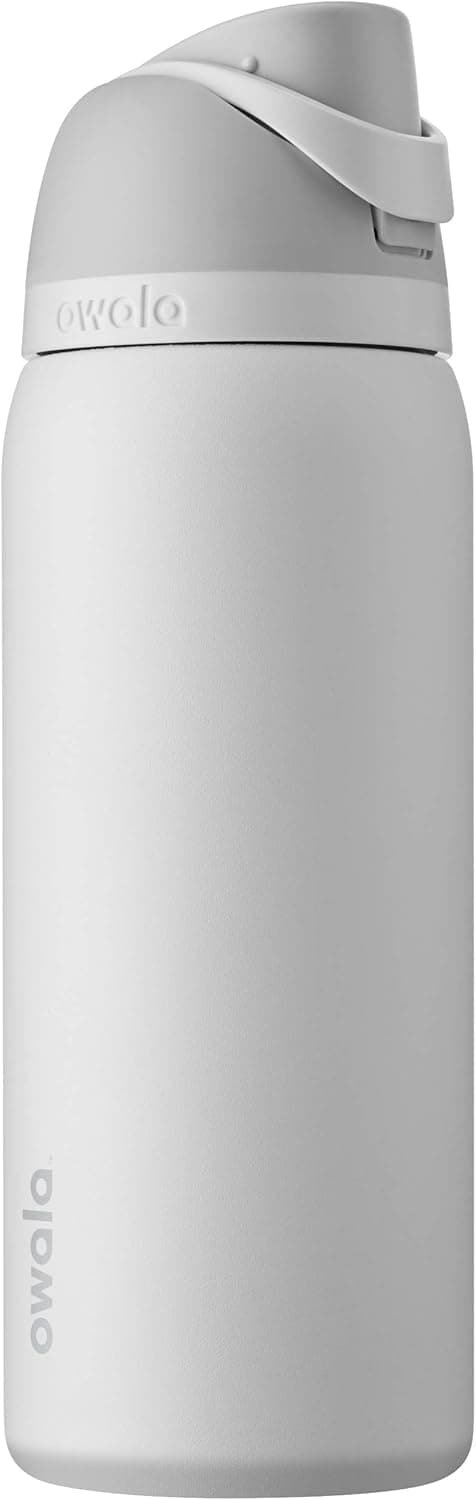
Stays cold for hours, built to last
The bottle we personally use every day. Cold water for hours, super durable, and easy to drink from anywhere.

Smart reminders to stay on track
Great if you forget to hydrate. Smart tracking and gentle reminders to keep you on pace all day.
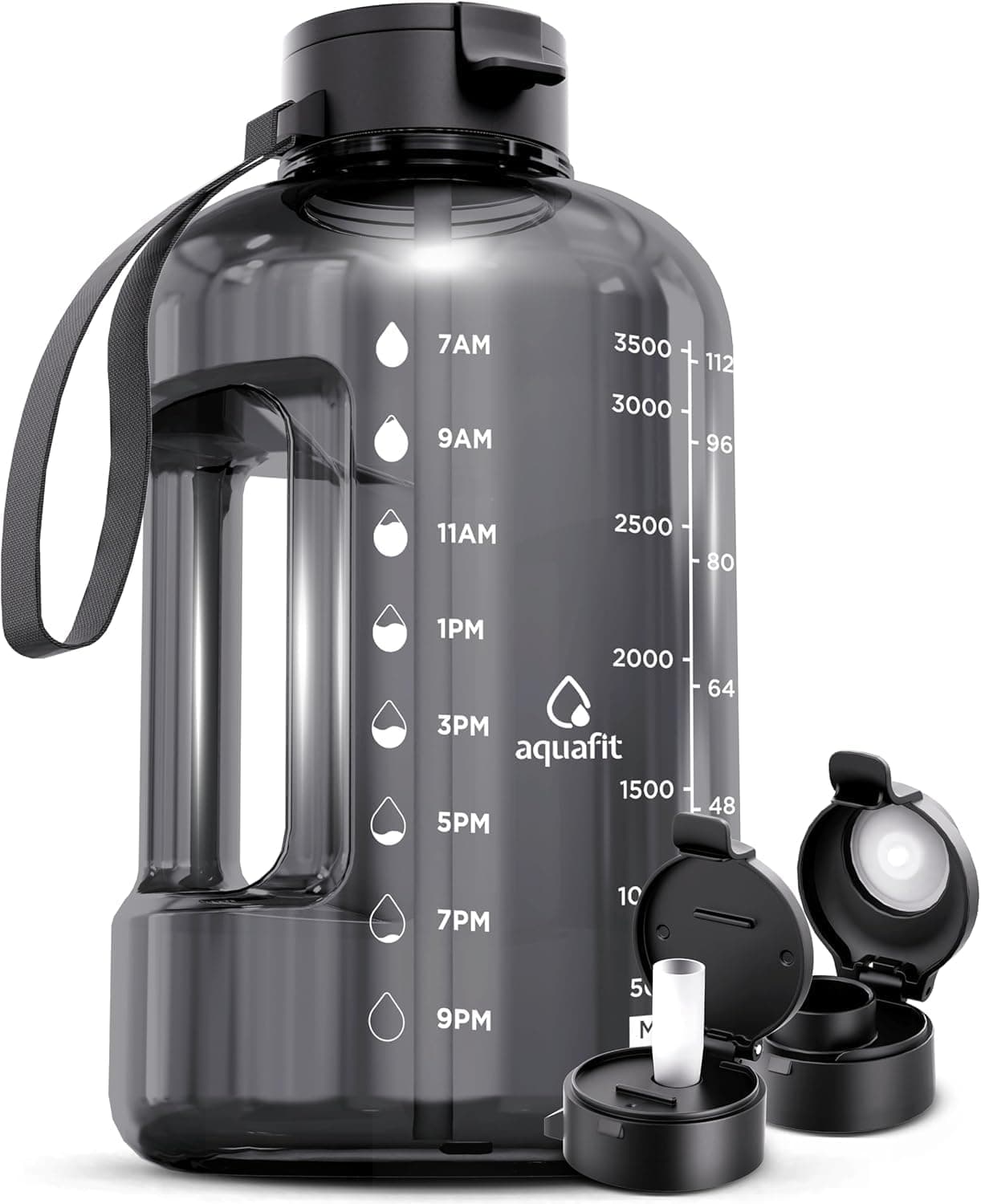
Full gallon, no refills needed
No-frills and budget-friendly. Huge capacity, easy to carry, and helps you hit your daily goal without refills.
Take your fitness journey further with our comprehensive collection of calculators, trackers, and educational content.