
The AMDR for carbohydrates is 45–65% of calories, protein is 10–35%, and fat is 20–35%. Full breakdown, chart, and real-world application for hitting your daily macro targets.

Ever wonder if you're eating the 'right' amount of carbs, protein, and fat? You're not alone. Navigating nutrition advice can be confusing, but understanding the Acceptable Macronutrient Distribution Ranges (AMDR) provides a flexible and science-backed framework. These macro ranges guidelines are not a rigid diet, but a set of recommendations for promoting general health and reducing chronic disease risk. In this guide, we'll break down the AMDR for macros, show you what they look like in grams, and explain how to adapt them to your personal goals.
The AMDR are ranges for protein, carbs, and fat intake, presented as a percentage of your total daily calories. They were established by the National Academy of Medicine to ensure you get enough essential nutrients while minimizing the risk of long-term health issues. Unlike a one-size-fits-all diet, these ranges offer flexibility, acknowledging that different balances work for different people. For a complete overview of what macros are and how they provide energy, check out our guide on macro basics.
Percentages are helpful, but most people track their food in grams. To convert these ranges, you need to know your daily calorie target and the calories per gram for each macro (4 for protein, 4 for carbs, and 9 for fat). If you're unsure of your daily calorie needs, our TDEE calculator is a great place to start.
Here’s how the AMDR protein carbs fat ranges translate into grams at three common calorie levels:
For a 1,500 Calorie Diet:
- Carbs (45-65%): 169–244 grams
- Protein (10-35%): 38–131 grams
- Fat (20-35%): 33–58 grams
For a 2,000 Calorie Diet:
- Carbs (45-65%): 225–325 grams
- Protein (10-35%): 50–175 grams
- Fat (20-35%): 44–78 grams
For a 2,500 Calorie Diet:
- Carbs (45-65%): 281–406 grams
- Protein (10-35%): 63–219 grams
- Fat (20-35%): 56–97 grams
The macronutrient distribution ranges are designed to be a healthy middle ground. Consuming macros consistently outside of these guidelines can have potential downsides, though some specific dietary approaches do this for therapeutic reasons under professional guidance.
The beauty of the AMDR is its flexibility. You can adjust your macros within these broad ranges to better support your specific fitness goals.
A calorie deficit is the primary driver of fat loss. Within that deficit, aiming for the higher end of the AMDR protein range (around 25-35%) can be very effective. Research shows higher protein intake increases satiety, which helps you feel full and manage hunger. It also helps preserve lean muscle mass while you lose weight. For guidance, you can learn how to calculate your personal protein intake to align with your goals.
To build muscle, you need adequate protein and a modest calorie surplus. Targeting the upper half of the AMDR for protein (20-35%) provides the necessary building blocks for muscle repair and growth. Carbohydrates are also vital, as they supply the energy for intense workouts and help replenish glycogen stores afterward. Many find that consuming a balanced meal before sleep can support recovery, which is a key part of the muscle-building process. You can read more about the strategy of hitting macros before bed.
As an Amazon Associate we earn from qualifying purchases.
Gear that pairs well with what you just read.
As an Amazon Associate we earn from qualifying purchases.
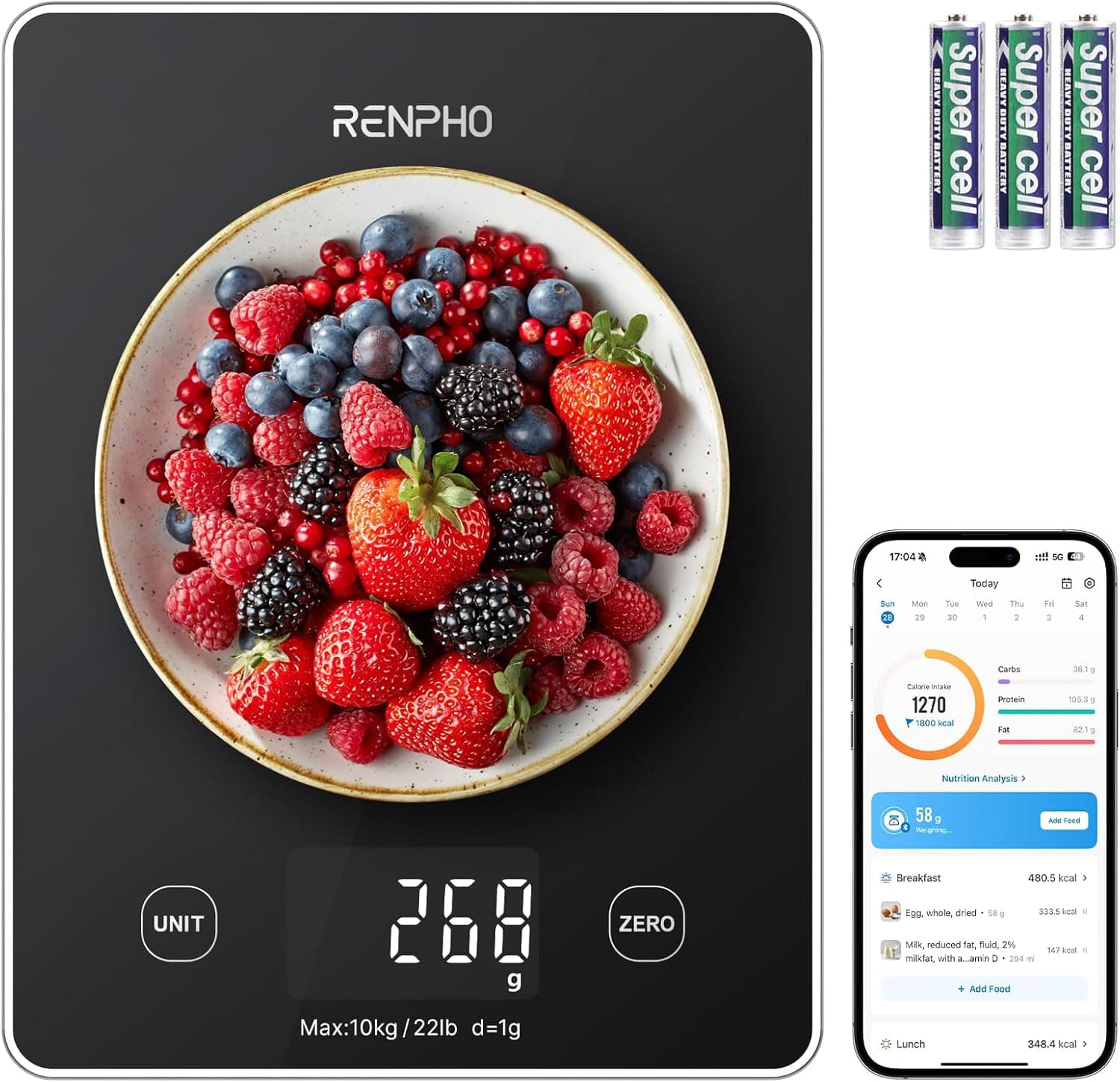
Built-in nutrition and macro tracking
A sleek black-glass scale with built-in nutrition calculations for fast, accurate macro and calorie tracking. Syncs with the RENPHO app, measures up to 22 lb, and perfect for weight-loss or keto meal prep.
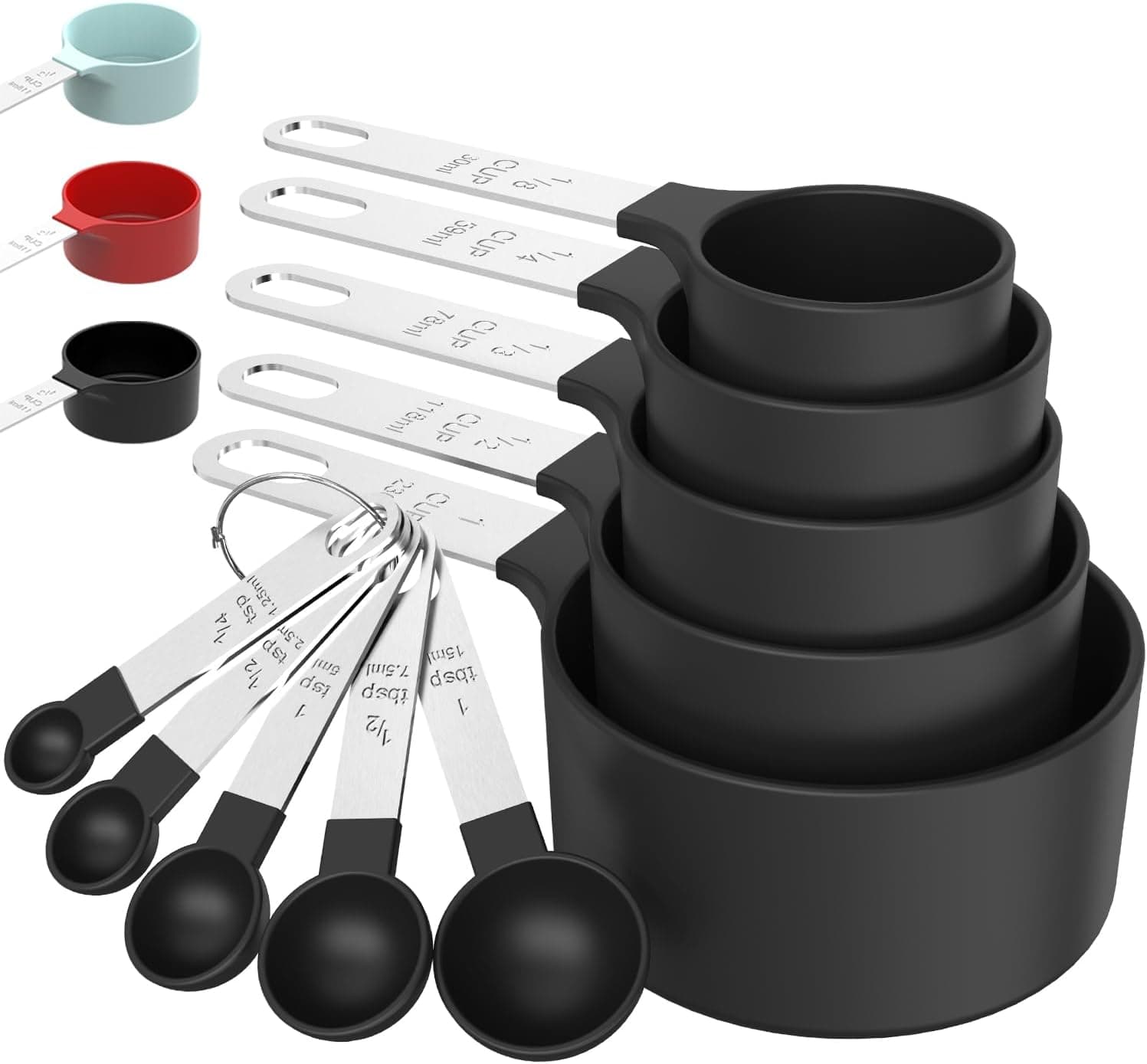
Precise portions every time
A stackable, easy-to-store set with stainless steel handles for durability and precise measuring. Perfect for consistent portion sizes when tracking calories, cooking, or baking.

Leakproof meal prep containers
Crystal-clear, BPA-free containers with leakproof, airtight lids to keep meals fresh and organized. Perfect for portioning, storing, and taking your macro-friendly meals on the go.
Take your fitness journey further with our comprehensive collection of calculators, trackers, and educational content.