
Even moderate alcohol can blunt muscle protein synthesis by up to 37%. Here's what the research actually shows about drinking, hormones, and recovery — and what it means for your gains.

You put in the hours at the gym, focus on your nutrition, and prioritize rest. But what happens when a social event comes up and you want to enjoy a drink or two? It's a common question: does alcohol cancel out your efforts to build muscle? Let's look at what the research says about how alcohol interacts with your body's muscle-building machinery.
Building muscle is heavily influenced by your hormonal environment. Your body needs the right signals to repair and grow stronger. Unfortunately, alcohol can disrupt this delicate balance. Research shows that alcohol consumption can have several hormonal effects that are not ideal for muscle growth.
Muscle Protein Synthesis, or MPS, is the fundamental process your body uses to repair damaged muscle fibers and build new muscle tissue. For muscle growth to occur, your rate of MPS must be greater than the rate of muscle protein breakdown. This is where alcohol can have a very direct and negative impact.
One study on physically active males found that consuming a significant amount of alcohol (1.5g per kg of body weight) after a workout reduced MPS by 37%. Even when participants consumed 25 grams of protein with the alcohol, MPS was still suppressed by 24% (NASM, 2022). This suggests that alcohol directly interferes with the signaling pathways that tell your body to build muscle, even when protein is available.
Recovery is just as important as the workout itself. Alcohol can hinder recovery in a couple of key ways. First, it's a diuretic, which can lead to dehydration. Your muscles need to be properly hydrated to function, repair, and store glycogen (their primary fuel source). Working out in a dehydrated state can also increase your risk of injury (One You Surrey).
Second, while alcohol might make you feel sleepy initially, it significantly disrupts sleep quality, particularly REM and deep sleep. This deep sleep stage is when your body does most of its repair work and releases growth hormone. By interrupting it, you're shortchanging your recovery process.
It's important to note that much of the research focuses on binge drinking or high alcohol intake immediately after exercise. The picture might be different for moderate consumption. One study found that moderate alcohol consumption did not prevent muscle growth in response to a 14-day strength training program (Steiner & Lang, 2015).
This suggests that if your training is consistent and your overall nutrition supports your goals, an occasional, moderate drink is unlikely to completely stop your progress. The key is moderation and timing, trying to avoid drinking heavily, especially right after a training session.
As an Amazon Associate we earn from qualifying purchases.
Gear that pairs well with what you just read.
As an Amazon Associate we earn from qualifying purchases.
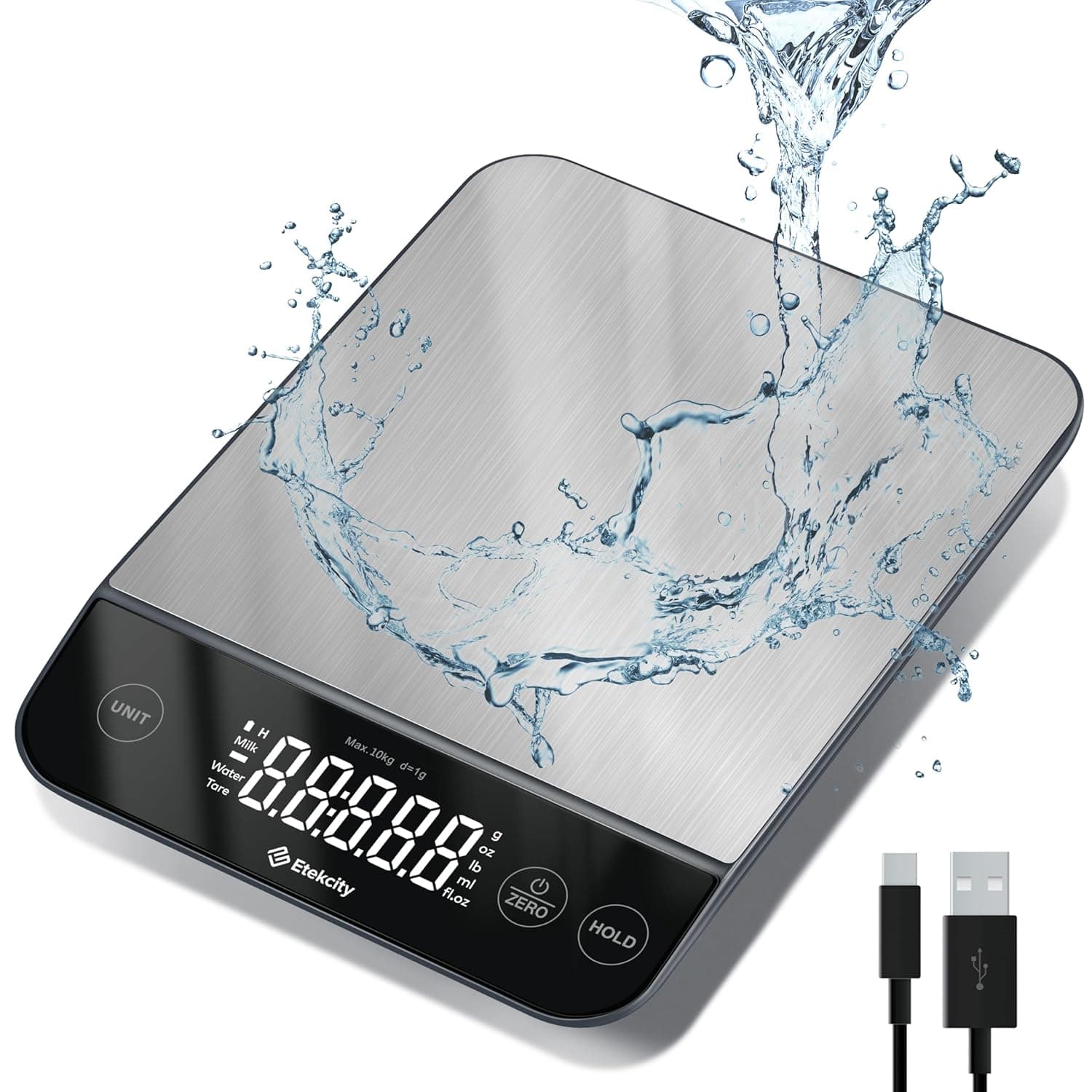
Accurate to 1g for perfect portions
Precise and built for daily macro tracking. Waterproof stainless steel, USB-rechargeable, and accurate to 1 gram.

Zero-clump mixing, no ball needed
Mixes perfectly without a ball or whisk. USA-made, durable, and designed for protein shakes on the go.

Leakproof meal prep containers
Crystal-clear, BPA-free containers with leakproof, airtight lids. Perfect for portioning macro-friendly meals.
Take your fitness journey further with our comprehensive collection of calculators, trackers, and educational content.